Cessna 172F Rheostat (No Knob)
Cessna 172F Rheostat (No Knob)
Blog Article
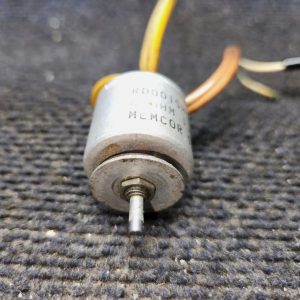
The Cessna 172F Rheostat (No Knob)
A Cessna 172F Rheostat may also be marketed as a Cessna 172F Lighting Rheostat or Cessna 172F Panel Light Rheostat when the intended circuit and complete part number are stated accurately.
The Cessna 172F Cockpit Dimmer, Cessna 172F Instrument Light Control, Cessna Instrument Panel Rheostat, and Cessna Cockpit Lighting Control phrases represent closely related electrical searches.
Accurate component terminology supports relevant SEO while preserving technical clarity and responsible installation planning.
A Cessna 172F Dimmer Switch may be described as part of the Cessna Panel Lighting Control system, although the exact internal operation should be confirmed.
Reviewing the RD0015H1600JBC Component
The P/N RD0015H1600JBC designation should be confirmed through markings on the rheostat body, tags, donor-aircraft information, packaging, photographs, and available maintenance records.
The intended panel position and controlled lighting circuit should be established before installation.
Buying a Cessna Rheostat Without a Knob
Accurate knob information helps prevent incomplete installations and loose cockpit controls.
The replacement knob should attach securely without damaging the shaft, binding the rheostat, or contacting the panel surface.
Purpose of the Panel Light Rheostat
A rheostat regulates current or voltage within a compatible lighting circuit to vary the brightness of connected lamps or panel illumination components.
Professional electrical inspection supports dependable Cessna Cockpit Lighting Control.
Verifying Rheostat Fitment Before Purchase
A rheostat associated with a Cessna 172F should not be advertised as universally compatible with every Cessna 172 variant.
A component that fits physically may still have the wrong resistance range, power capability, or internal construction for the circuit.
Cessna Rheostat Physical Condition Evaluation
Inspection should begin with the component clean enough to reveal cracks, corrosion, heat discoloration, damaged threads, bent shafts, missing insulation, contamination, and previous repair.
The body should not rotate after installation because movement can strain wiring and alter control positioning.
Aircraft Rheostat Wiring Inspection
Heat discoloration can indicate excessive resistance, overloading, loose connections, or another unresolved circuit problem.
Damaged terminals should not be bent repeatedly in an attempt to restore alignment.
Determining Rheostat Test Status
Testing may include resistance measurement, continuity checks, smoothness evaluation, terminal mapping, and controlled functional testing appropriate to the identified component.
The component should not be connected directly to a power source until terminal functions and specifications are known.
Diagnosing Flickering Instrument Lights
The complete lighting system should be inspected before the rheostat is identified as the only failed component.
Intermittent faults can appear only during vibration, temperature change, or movement of the control.
Cessna Panel Lighting Restoration
Original wiring and lighting components should be documented before disassembly.
Professional restoration supports both presentation and practical cockpit operation.
Supporting Components Around the Rheostat
A rheostat replacement may require a compatible knob, mounting nut, washer, wiring terminals, connectors, lamps, circuit protection, labels, and panel hardware.
Heat, corrosion, moisture, vibration, and previous repairs can affect components differently.
Restoring an Aircraft Lighting Control
The technician should consider reliability, testing, documentation, electrical ratings, and future maintainability.
Opening the rheostat body without appropriate expertise can disturb internal contacts, insulation, windings, stops, seals, or calibration characteristics.
Cessna Cockpit Electrical Parts for Sale
The commercial value of P/N RD0015H1600JBC depends on verified identity, electrical specifications, physical condition, test status, shaft integrity, terminal condition, traceability, and included hardware.
Transparent commercial information supports responsible Cessna Aircraft Rheostat transactions.
Aircraft Lighting Rheostat Pre-Purchase Guide
The seller should provide photographs showing the housing, shaft, mounting threads, terminals, markings, attached wiring, damage, and repaired areas.
- Compare the rheostat with the removed control, aircraft wiring information, panel opening, shaft dimensions, terminal arrangement, mounting hardware, and intended knob.
- Review any test results for resistance consistency, continuity, dead spots, intermittent operation, and terminal mapping.
- Retain purchase records, photographs, measurements, test results, traceability information, repair documentation, and shipping records with the project file.
Preventing Electrical Component Damage
The rheostat should be packaged so the shaft, terminals, mounting threads, housing, and identification markings remain protected from impact and bending.
The component should not be stored by hanging it from attached wires or unsupported terminals.
Wiring a Cessna Cockpit Dimmer
Professional preparation reduces wiring errors and component damage.
Wires should connect firmly without creating excessive side load on the terminals.
After installation, technicians should verify control movement, lighting response, dimming range, terminal security, circuit protection, wiring temperature, and absence of flickering or dead spots.
Maintaining the Cessna 172F Lighting Control
The component should receive attention after electrical faults, smoke, overheating, moisture exposure, panel work, wiring repair, or intermittent lighting behavior.
The control knob should not be pulled, twisted beyond its stops, or used as a support for other equipment.
Selecting an Aircraft Lighting Control Rheostat
For the correct Cessna 172F electrical configuration, the rheostat can support adjustable instrument-panel lighting when installed with a compatible knob and surrounding components.
Careful technical and commercial evaluation can reduce wiring errors, incompatible dimming behavior, missing-knob costs, installation delays, overheating, and unexpected electrical faults.
Whether buyers need a Cessna 172F Instrument Light Control, Cessna Instrument Panel Rheostat, Cessna Cockpit Lighting Control, or Aircraft Lighting Rheostat, circuit-specific compatibility should be verified.
With verified identity, suitable electrical condition, compatible get more info specifications, professional wiring, organized documentation, and routine inspection, the rheostat can provide dependable long-term value.
Report this page